
If you’re looking to experience the vibrant autumn foliage in Japan without the crowds, now is the time to plan. With the right timing, locations and tour-package strategy you can enjoy scenic splendour, fewer crowds and authentic travel moments. Here’s your guide to choosing Japan in November, Japan autumn tours and the best spots for early autumn foliage Japan.
Why Early-November (or just before) Works
- In Japan, the autumn leaves begin in the north and higher elevations, gradually sweeping south and lower altitudes
- By going in early November (or targeting places where foliage peaks earlier), you can hit colourful scenery before the peak-tourism wave in the most famous spots.
- For autumn-colour lovers who prefer less crowded vantage points, focusing on slightly earlier timing and lesser-visited locales gives better value.
- From a travel-commercial perspective: this timing allows packages to be not at ultra-high holiday-rush prices but still in great season. That makes “Japan autumn tours” attractive.
Where to Go: Top Destinations for Early Autumn Foliage
Here are five highly recommended spots—each with strong fall-colour appeal and strategic timing for earlier or less crowded experiences.
1. Nikkō (Tochigi Prefecture)

- Located just a couple of hours from Tokyo, Nikko offers forested mountains, lakes and temples in autumn colour.
- The peak period here begins late October to early November, giving you a strong chance of vivid foliage ahead of more central areas
- Ideal for a day-trip or overnight stay. Combine temple visits (e.g., the UNESCO‐listed shrine complex) with nature walks around Lake Chuzenji or the Irohazaka winding road.
- Tour tip: Book accommodation early for the quieter lakeside area; avoid returning too late from excursions to maximize light.
2. Hokkaidō – the northern frontier
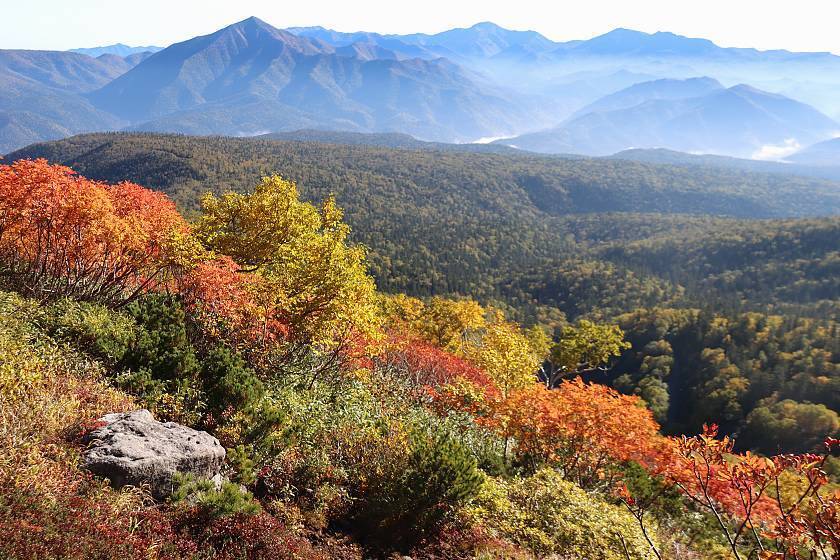
- Hokkaidō is the earliest region to show autumn foliage in Japan.
- Rugged landscapes, national parks and fewer tourists (in early season) make this a strong choice for genuinely off-the-beaten-track autumn tours.
- If you’re flexible on travel time and don’t mind going farther north, this can be a standout.
- Commercially: tours to Hokkaidō in autumn can be positioned as “early-season” or “exclusive foliage” escapes.
3. Kyōto & the Kansai classic (but go earlier or smarter)

- Kyoto is arguably the most iconic autumn-leaf destination in Japan, with temples, gardens and traditional architecture set against stunning colour
- However: the very peak in many Kyoto spots tends to be mid-to-late November
- To beat the worst of the crowds, consider visiting in early November or focus on higher‐elevation / lesser-visited temples around Kyoto.
- Tourpackage angle: Position the tour as “Kyoto & autumn leaves” but emphasise early-season advantage before full crowds.
4. Tokyo & Urban Autumn Escapes

- Even in the capital, you’ll find great autumn foliage opportunities (e.g., Rikugien Garden, Showa Kinen Park, ginkgo-tree avenues) and much less travel stress for arrival/departure.
- Timing: while central Tokyo’s peak colours may arrive later in November, many urban parks show decent early change—especially ginkgos.
- Ideal for combining city sightseeing + foliage. For “Japan autumn tours” this offers a great balance.
5. Lesser-Known Gems (For Quiet & Authentic)
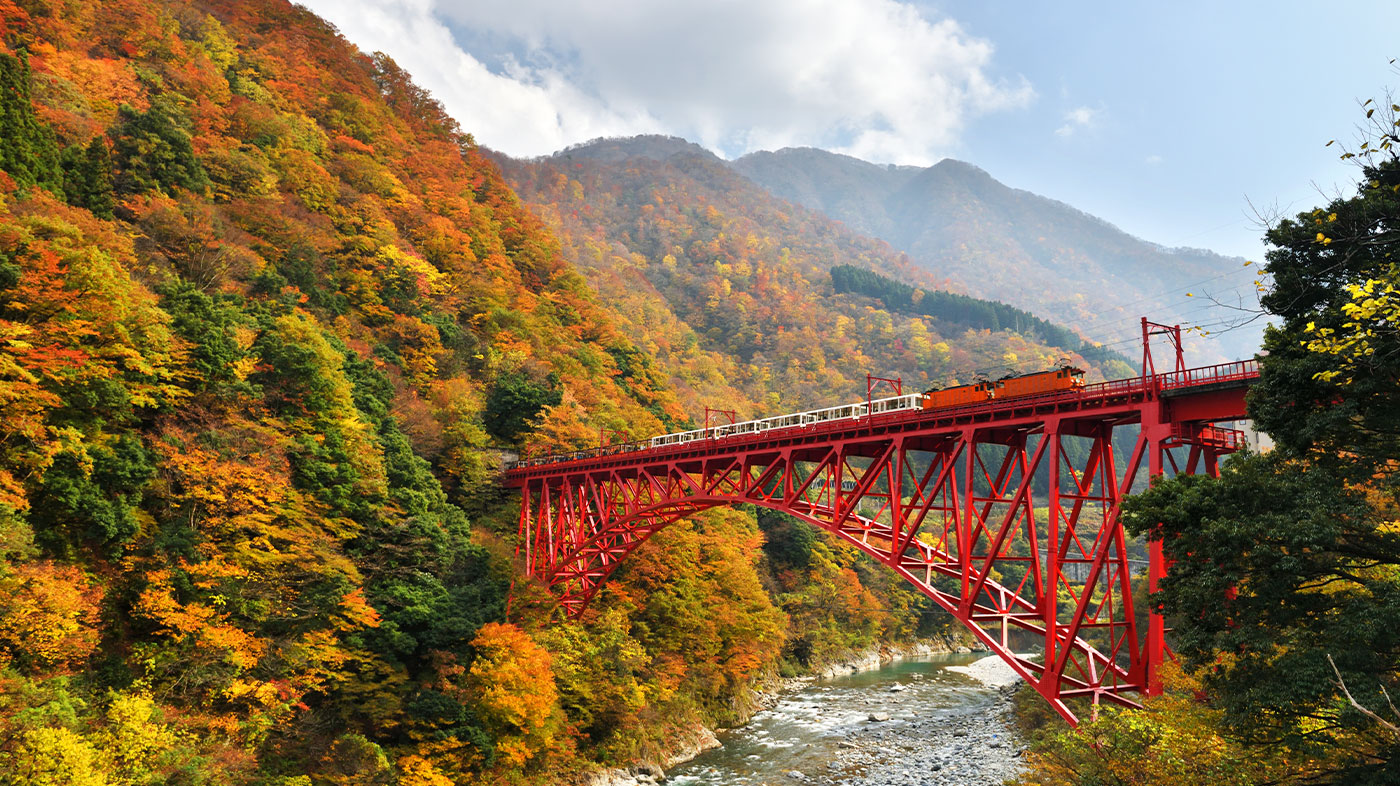
For travellers willing to venture off the main route, places like Kōrankei Gorge (Aichi), Kurobe Gorge (Toyama) and the Tōhoku region mountain areas are fantastic
- These spots offer fewer crowds, impressive natural beauty and a sense of exclusivity.
- For travel packages: market these as “secret autumn-leaf escapes in Japan”.
Practical Tips for Your Autumn Foliage Japan Trip
- Check foliage-forecast websites: Timing can vary year-to-year depending on weather conditions
- Book ahead: Although early November can be slightly pre-peak in some places, accommodation in popular towns still fills fast.
- Elevation matters: Higher altitude areas turn colour earlier—look for mountainous day trips if you go early.
- Weekday visits = fewer crowds: Especially at major temples and parks.
- Travel packages smartly: If you’re offering or selecting “Japan autumn tours”, include: flights, hotel, transportation (JR-pass or local train pass), one or two signature foliage spots + alternative quieter spots.
- From India / overseas: Ideally pick arrival in Tokyo (or Osaka) and include 2–3 regions (city + countryside) for variety. For example: Tokyo → Nikko → Kyoto.
- Photography lovers: Arrive early in the morning at major sites or pick light-illumination nights for dramatic shots.
Sample Itinerary Snapshot
Day 1-2: Arrival Tokyo, stroll urban parks for initial colour.
Day 3: Day-trip to Nikko for mountain-temple foliage & lakeside scenery.
Day 4-5: Travel to Kyoto area. Explore temples/gardens and enjoy early evening illuminations of fall leaves.
Day 6: Optional side-trip to a lesser-known gorge or mountain region for crisp nature.
Day 7: Return to Tokyo (or onward) for departure.
Why Now & Why It Works
- By choosing early November (or targeting early-colour zones) you’re ahead of the full crowd surge while still getting strong autumn visuals.
- For tour operators or travelers from markets such as India, this means better value, more availability, and a less rushed experience.
- “Japan in November” (or “Japan autumn tours”) is becoming more popular, but the best deals and availability still exist when you plan smart.
- From a commercial viewpoint: you can leverage headlines like “Beat the crowds, enjoy authentic autumn in Japan” and package those into marketing separately from the spring-blossom rush.
Final Thoughts
Autumn in Japan is arguably second only to spring in visual beauty—and for those who seek it with some savvy timing, it offers a richly rewarding travel experience. By focusing on earlyseason or less-visited vantage points, you get dramatic colours, fewer crowds and a more meaningful connection with place. Whether your interest is in major cities (Tokyo, Kyoto) or remote gorges and mountains, the key is planning the timing, selecting the correct regions and booking early.